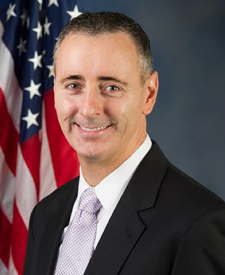
“Federal workers, many of whom are veterans, are the backbone of our public service. When their voices are heard in the decisions that shape their work, our government is more stable, more capable, and better prepared to serve the American people. I’m proud to work alongside Congressman Golden in leading this bipartisan effort.”
In brief · He argues that giving federal workers, many of them veterans, a voice in workplace decisions makes government more stable and capable. (AI-written summary of the source)
“Today’s vote is a reminder of what this House can accomplish when we honor its purpose and allow the people’s will to move forward. A bipartisan majority affirmed that protecting America’s security and respecting America’s workers are not competing priorities — they are inseparable.”
In brief · After the discharge motion passed, he presented the vote as a bipartisan affirmation that national security and federal workers' rights go together. (AI-written summary of the source)
“Improving government efficiency is essential—but sweeping exclusions from collective bargaining are a blunt instrument that risk weakening the very stability and performance we aim to strengthen. The Protect America’s Workforce Act restores a balanced, targeted approach—protecting bargaining rights where they pose no threat to national security and reinforcing their proven role in supporting morale, accountability, and effective governance. We can defend our national security without silencing those who serve it. Efficiency and fairness are not mutually exclusive—and this legislation ensures we uphold both.”
In brief · Fitzpatrick, the bill's lead Republican sponsor, argues the executive order's sweeping bargaining exclusions are a blunt instrument and that the bill keeps national security protections while preserving workers' rights. (AI-written summary of the source)