Signed into law
Rural Broadband Protection Act of 2025
This act requires the Federal Communications Commission (FCC) to vet the qualifications of applicants for certain funding programs that support affordable broadband deployment in high-cost areas (e.g., rural communities).
- Measure
- S. 98 · 119th Congress
- Latest action
- May 11, 2026
- Policy changes
- 3
- Source
- CRS summary (Public Law) · Congress.gov
Became Public Law No: 119-89.
Who wrote it
Sponsor
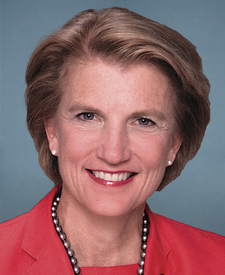
Sen. Shelley Moore Capito (R-WV)Joined by 4 cosponsors, 2 of them from the day it was introduced. Introduced January 15, 2025.
All 4 cosponsors
- Sen. John R. Curtis (R-UT) · original
- Sen. Amy Klobuchar (D-MN) · original
- Sen. Gary C. Peters (D-MI)
- Sen. Raphael G. Warnock (D-GA)
How Congress voted
No recorded vote: this bill moved by voice vote or unanimous consent, so there is no record of how individual members voted.
Your delegation
Choose your state to see how your senators and representatives wrote, voted on, and spoke about this bill.
In their own words
What members have said about this bill, quoted exactly and linked to the source.
We haven’t found public statements from members about this bill yet.
What it changes — and your vote
One person, one vote · Anyone may read. To vote, verify your identity once with a government-issued ID — we keep no copy of it. Verify to vote
Provision 1
Specifically, the FCC must develop a vetting process for applicants seeking funding under high-cost universal service programs for the deployment of a broadband-capable network and the provision of supported services over the network.
The FCC must require applicants to submit a proposal that contains sufficient detail and documentation for the FCC to ascertain that the applicant possesses the technical, financial, and operational capabilities related to the proposed deployment and has a reasonable business plan. The FCC must evaluate applications against reasonable and well-established standards and must consider each applicant’s history of compliance with the requirements of other government broadband funding programs.
No verified votes yet
Provision 2
The FCC must establish this vetting process through a rulemaking proceeding.
After the rule is finalized, funds may only be awarded to applicants that satisfy the standards established therein.
No verified votes yet
Provision 3
Finally, the FCC must set financial penalties for applicants that default in some manner during the evaluation process before they are authorized to begin receiving support.
No verified votes yet