Passed the Senate · awaiting a House vote
Harmful Algal Bloom and Hypoxia Research and Control Amendments Act of 2025
This bill extends through FY2030 and modifies the Harmful Algal Bloom and Hypoxia Research and Control Act to address algal blooms and hypoxia (deficiency of oxygen) in U.S. marine, estuarine, and freshwater systems. Harmful algal blooms are high concentrations of algae that may create nuisance or toxic conditions that are harmful to humans, animals, aquatic ecosystems, and the economy.
- Measure
- S. 93 · 119th Congress
- Latest action
- September 11, 2025
- Policy changes
- 3
- Source
- CRS summary (Introduced in Senate) · Congress.gov
Held at the desk.
Who wrote it
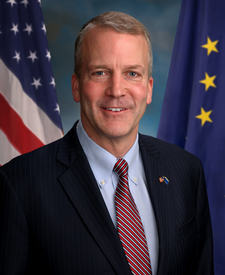
Sponsor
Sen. Dan Sullivan (R-AK)Joined by 15 cosponsors, 6 of them from the day it was introduced. Introduced January 14, 2025.
All 15 cosponsors
- Sen. Tammy Baldwin (D-WI) · original
- Sen. Susan M. Collins (R-ME) · original
- Sen. John Cornyn (R-TX) · original
- Sen. Jeff Merkley (D-OR) · original
- Sen. Gary C. Peters (D-MI) · original
- Sen. Sheldon Whitehouse (D-RI) · original
- Sen. Lisa Murkowski (R-AK)
- Sen. Bill Cassidy (R-LA)
- Sen. Christopher A. Coons (D-DE)
- Sen. Alex Padilla (D-CA)
- Sen. Roger F. Wicker (R-MS)
- Sen. Bernie Moreno (R-OH)
- Sen. Angus S. King, Jr. (I-ME)
- Sen. Adam B. Schiff (D-CA)
- Sen. John Kennedy (R-LA)
How Congress voted
No recorded vote: this bill moved by voice vote or unanimous consent, so there is no record of how individual members voted.
Rhode Island’s delegation
| Member | On the record |
|---|---|
 Sen. Jack Reed (D-RI) | None found |
 Sen. Sheldon Whitehouse (D-RI) Cosponsor | None found |
 Rep. Gabe Amo (D-RI-1) | None found |
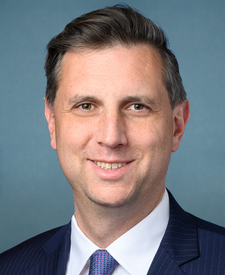 Rep. Seth Magaziner (D-RI-2) | None found |
In their own words
What members have said about this bill, quoted exactly and linked to the source. Your delegation is listed first.
“I want to thank all of my Senate colleagues for unanimously approving this important legislation, which will develop and coordinate effective responses to harmful algal blooms and improve the monitoring of the health of our oceans for the sake of coastal communities, especially those that rely on subsistence. I also want to commend our many Alaska stakeholders for working with me to support the health of our marine ecosystems in Alaska and across the country.”
In brief · Sullivan, the bill's sponsor, says it will coordinate effective responses to harmful algal blooms and improve ocean health monitoring for coastal and subsistence communities. (AI-written summary of the source)
Press release · Office of Sen. Dan Sullivan · September 12, 2025 · “Senate Unanimously Approves Sullivan Bill to Improve Harmful Algal Bloom Response” · Quote checked word-for-word against the source
“Unchecked harmful algal blooms can threaten our marine life and coastal ecosystems, the livelihoods of our commercial fisheries and coastal communities, and the health and well-being of Alaskans.”
In brief · Introducing the bill, Sullivan cites threats that algal blooms pose to marine life, fisheries, coastal communities, and Alaskans' health. (AI-written summary of the source)
Press release · Office of Sen. Dan Sullivan · January 30, 2025 · “Sullivan, Joyce, & Bonamici Lead Bicameral Legislation to Improve Harmful Algal Bloom Resp…” · Quote checked word-for-word against the source
“Alaska is our country’s leading seafood producer and home to more coastline than the contiguous Lower 48 states combined, making our response to HABs critically important. This legislation develops and coordinates effective responses to harmful algal blooms and will improve the monitoring of the health of our oceans for the sake of coastal communities, especially those that rely on subsistence.”
In brief · Sullivan argues Alaska's seafood industry and long coastline make algal bloom response critical, and says the bill improves response coordination and ocean monitoring. (AI-written summary of the source)
Press release · Office of Sen. Dan Sullivan · January 30, 2025 · “Sullivan, Joyce, & Bonamici Lead Bicameral Legislation to Improve Harmful Algal Bloom Resp…” · Quote checked word-for-word against the source
What it changes — and your vote
One person, one vote · Anyone may read. To vote, verify your identity once with a government-issued ID — we keep no copy of it. Verify to vote
Provision 1
Directs the Inter-Agency Task Force on Harmful Algal Blooms and Hypoxia to submit to Congress an action strategy for harmful algal blooms at least once every five years.
The bill also expands the task force's membership to include the Department of Energy.
No verified votes yet
Provision 2
Expands the duties of the National Oceanic and Atmospheric Administration (NOAA) under the National Harmful Algal Bloom and Hypoxia program.
NOAA must also carry out a variety of activities related to monitoring, predicting, preventing, mitigating, and responding to marine, coastal, and Great Lakes harmful algal bloom and hypoxia events. For example, NOAA must establish (1) a national network of observing systems for monitoring, detecting, and forecasting harmful algal blooms; and (2) a national-level incubator program to increase the number of strategies, technologies, and measures available to prevent, mitigate, and control harmful algal blooms.
No verified votes yet
Provision 3
Additionally, the Environmental Protection Agency must develop and enhance operational freshwater harmful algal bloom monitoring, observing, and forecasting programs in lakes, rivers, and reservoirs and carry out other activities related to researching freshwater harmful algal blooms and hypoxia events.
No verified votes yet